
The Question That Changes Every Care Interaction: What Happened to This Person?


Tonia Axelson has been a caregiver for 31 years. In that time, she has cared for people with dementia, people at the end of life, people who were difficult, people who were funny, people who were grieving the person they used to be.
The difference between caregivers who change the room and those who just complete the task is almost never about skill. It is almost always about the question they are carrying into the room with them.
Most of us — trained or untrained, professional or family — walk into a care encounter carrying some version of the same question: What's wrong with this person?
The caregivers who change the room carry a different question: What happened to this person?
Why the first question fails
"What's wrong with you?" is a deficit question. It organizes everything around what is missing, broken, or abnormal. It makes the person a collection of symptoms. It puts the caregiver in the role of fixer.
More importantly — and this is the insight from trauma research at the heart of Operational Insights for Elite Caregivers — it misses the most clinically relevant information available.
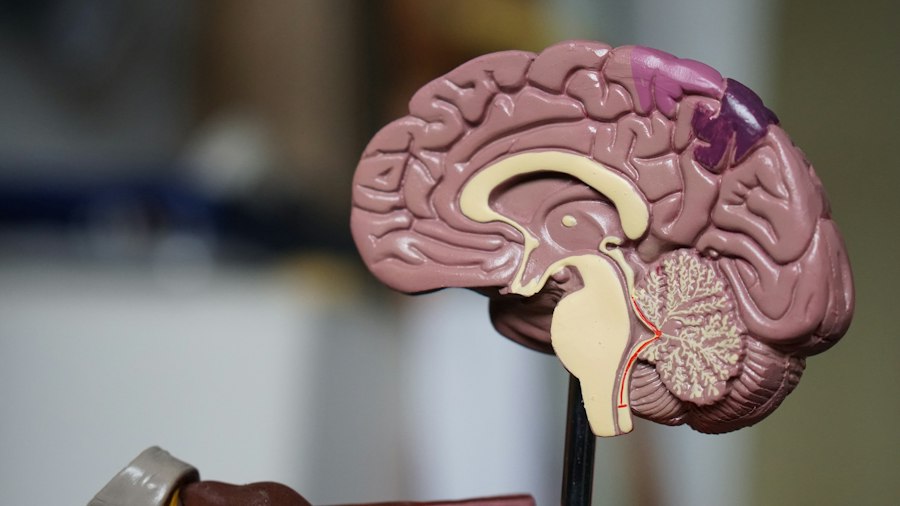
Bessel van der Kolk spent his career documenting something that medicine had largely ignored: trauma is stored in the body, and it resurfaces under the conditions of vulnerability that aging and illness create. The elder who reacts with fear to a routine procedure, who becomes agitated during bathing, who refuses help with tasks they can no longer do alone — these behaviors are almost never what they appear to be on the surface.
They are adaptive responses. They are the body doing what it learned to do to stay safe. "What's wrong with this person?" will never find that. "What happened to this person?" will.
What changes when you carry the second question
It changes your body first. You enter the room differently. The question creates a posture of curiosity rather than management. And that posture — the emotional state you bring into the room — transfers directly to the person you're caring for. This isn't soft. It's neuroscience. Emotional contagion is physiologically measurable. The regulated caregiver produces different outcomes than the overwhelmed one — not because of what they do, but because of what they are in the room.
It changes what you notice. When you are looking for what's wrong, you see symptoms. When you are looking for what happened, you see a person with a history — a person whose current behavior makes sense in a context you haven't fully understood yet.
And it changes what you offer. Sometimes, for a person in chaos — someone for whom there genuinely is no way through — the most loving thing available is witness. Being with someone in their difficulty without trying to fix it is not helplessness. It is one of the highest forms of care.
The other nine reframes
This is one of ten paradigm shifts in Operational Insights for Elite Caregivers, distilled from 100 foundational texts on aging, trauma, family systems, environmental psychology, and the biology of connection. The other nine are:
The patient's story is clinical data — not background, not context, not soft skill
The environment where care happens is an active clinical variable
When a family doesn't cooperate with a care plan, it is almost never obstruction — it is a different meaning system
The whole family is the patient
Elderhood is not broken adulthood
The hardest end-of-life conversations produce the best deaths
Social connection is as important to health as any medication
Every emotional state a caregiver brings into a room is a clinical variable
The highest form of care is preserving a person's sense that they are still the author of their own life
Each one is a section in the free training portal. Each section has the research behind it, the operational actions that follow from it, and the source texts that support it. No email required. No sign-up. Because the people who are already doing this work deserve better tools, and the families navigating care deserve to know what excellent looks like.
Free. Personalized by who you are and why you're here. Built by TLC — serving Washoe, Carson City, Minden, Gardnerville, and surrounding areas, with 112+ combined years of caregiving experience.


Comments